


The use of digital financial services among university students continues to grow. However, behind this high level of adoption, there are still challenges related to financial literacy and risk awareness.
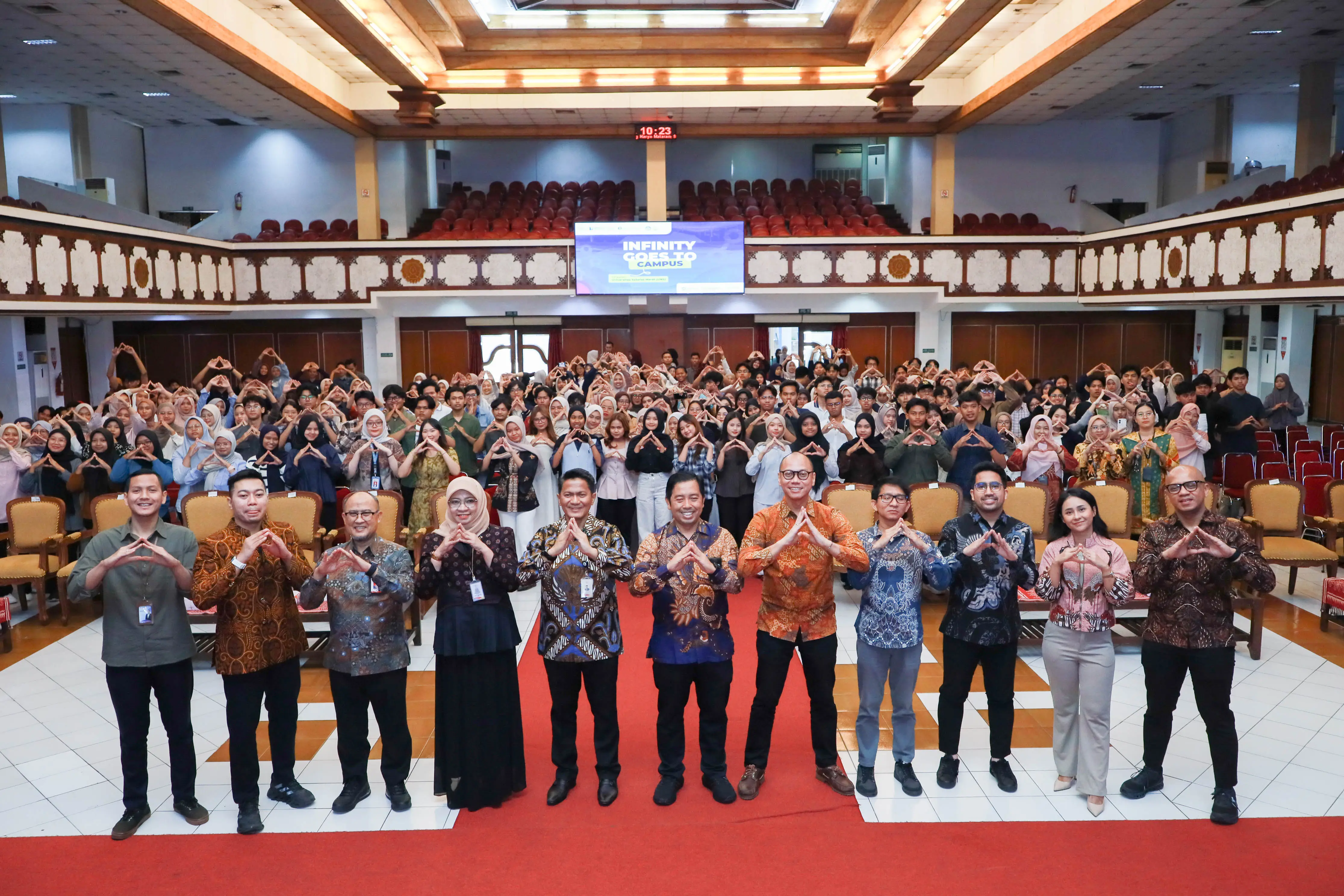
The Asosiasi Fintech Indonesia (AFTECH) has once again organized its educational program, Indonesia Fintech Youth Community (INFINITY) Goes to Campus, at Universitas Sebelas Maret in Surakarta, Central Java. This program is part of AFTECH’s ongoing efforts to improve digital financial literacy among students.
The initiative is supported by various stakeholders, including Bank Indonesia (BI), the Central Java Regional Office of the Otoritas Jasa Keuangan (OJK), as well as industry players such as INDODAX and Izi Data Indonesia.
According to the 2025 National Survey on Financial Literacy and Inclusion (SNLIK) conducted by OJK, Indonesia’s financial inclusion rate has reached 92.74%, while the literacy rate stands at 66.46%.
This gap is particularly relevant among students, who are increasingly active users of fintech services in their daily lives—from digital payments to investment activities.
At the local level, a similar trend can be observed in Surakarta. Fintech usage among students continues to rise, but it is accompanied by risks such as uncontrolled use of paylater services, limited understanding of financial planning, and exposure to illegal fintech platforms.
AFTECH Secretary General Firlie Ganinduto stated that the INFINITY program is designed to address these challenges through an approach that resonates with students.
According to him, students represent one of the groups with the highest fintech adoption rates, yet they still require stronger capabilities in financial management and risk awareness.
“We want to encourage young people not only to be users, but also to become agents of change within Indonesia’s fintech ecosystem,” he said.
He also emphasized the importance of cross-sector collaboration among regulators, industry players, and educational institutions to build a healthy and sustainable digital financial ecosystem.
From the industry perspective, education should go beyond usage and include a deeper understanding of risk.
A representative from INDODAX highlighted that students are increasingly entering the investment space, including digital assets such as cryptocurrencies. However, there is still a need for a better understanding of market volatility and long-term investment strategies.
Meanwhile, Izi Data Indonesia stressed the importance of awareness regarding financial track records. Every financial decision—whether using paylater services or digital loans—will shape an individual’s risk profile in the future.
Through the INFINITY program, AFTECH aims to encourage students to use fintech services more responsibly while improving the overall quality of digital financial literacy in Indonesia.
With a collaborative and educational approach, the program is expected to nurture a generation that is not only adaptive to technology, but also capable of making informed financial decisions.
The rising adoption of fintech among students presents both opportunities and challenges. Without adequate literacy, easy access to financial services can also lead to potential risks.
Through continuous education initiatives like INFINITY, the path toward a more inclusive, secure, and sustainable digital financial ecosystem is becoming increasingly tangible.


